The Bridge.
Where does the bridge go?
On BIANCA’s philosophy, the doctors’ words, and each country’s distance from aesthetic medicine

The world already sees Japanese aesthetic medicine as “refined.”
And yet the first step still feels far away.
Through the philosophy of those who opened the door, the world’s distance from aesthetic medicine, and the doctors’ own words, we ask what Japan and the world need between them.
The Door
The philosophy of those who opened it
Abroad, “Botox party” has an uneasy ring. After the U.S. approved botulinum toxin injections for frown lines in 2002, gatherings spread where people were injected with a drink in hand, and medical societies and regulators have urged caution ever since.
BIANCA CLINIC in Ginza took that name on purpose. And right beside it, wrote: THIS IS NOT A PARTY.
“Botox is not the destination. It is the beginning of a conversation.”BIANCA CLINIC — PHASE 3 Project Book
Chairman Dr. Kazuaki Hotta imagines a future in which Tokyo becomes “the world’s most trusted destination for aesthetic medicine.” Tokyo has the skill. It has refined design, safety and hospitality. What is missing, he says, is an “experience” that carries all of it to the world.
Because botulinum toxin is the best-known aesthetic treatment in the world, it can be an entry point that crosses nationality and language. What he wants to deliver is not an injection, but people connecting through beauty.
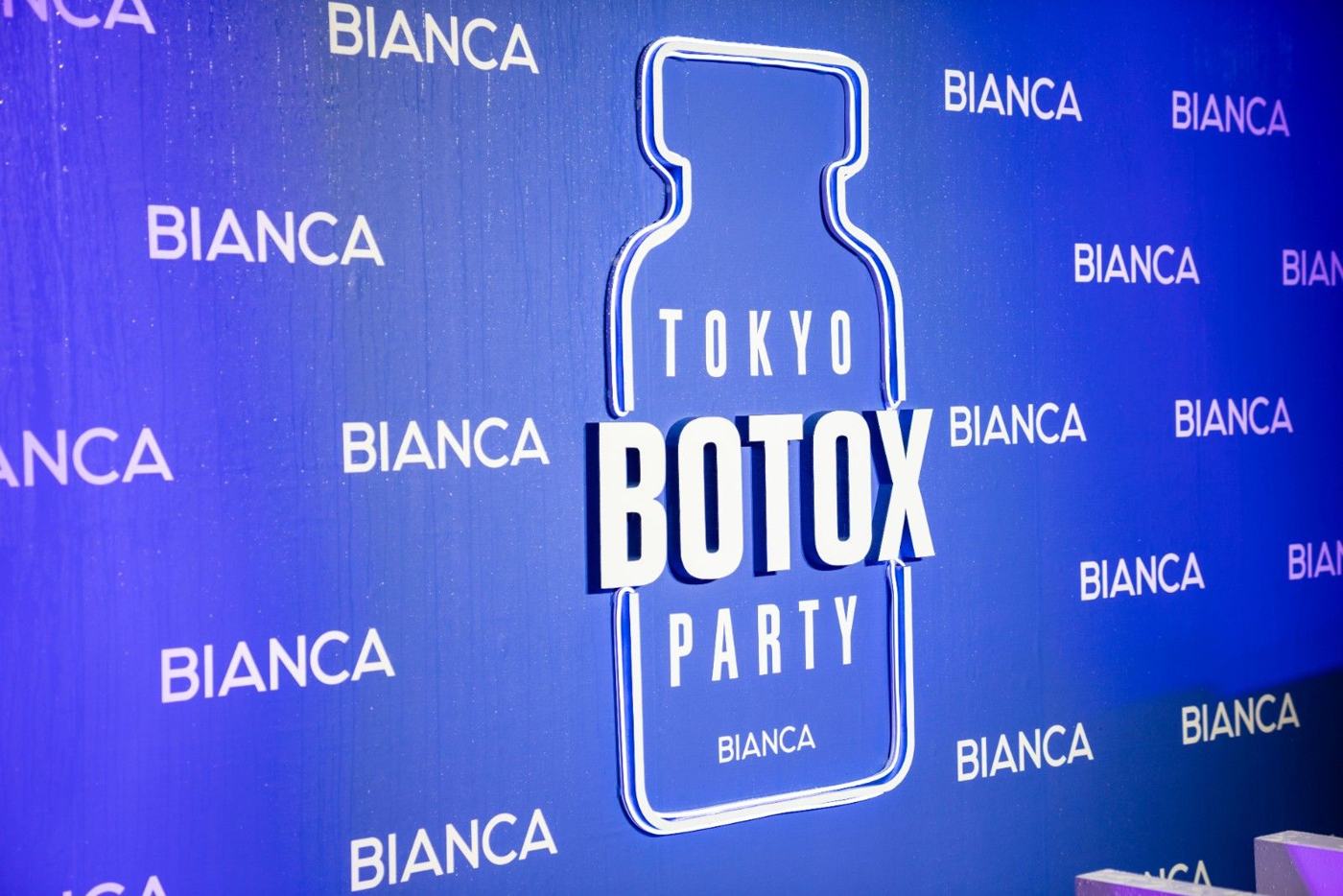
“We are here to change the game.”Kazuaki Hotta, M.D. — ChairmanTBC: wording
Downstairs, precision. Upstairs, community.Medicine below, community above
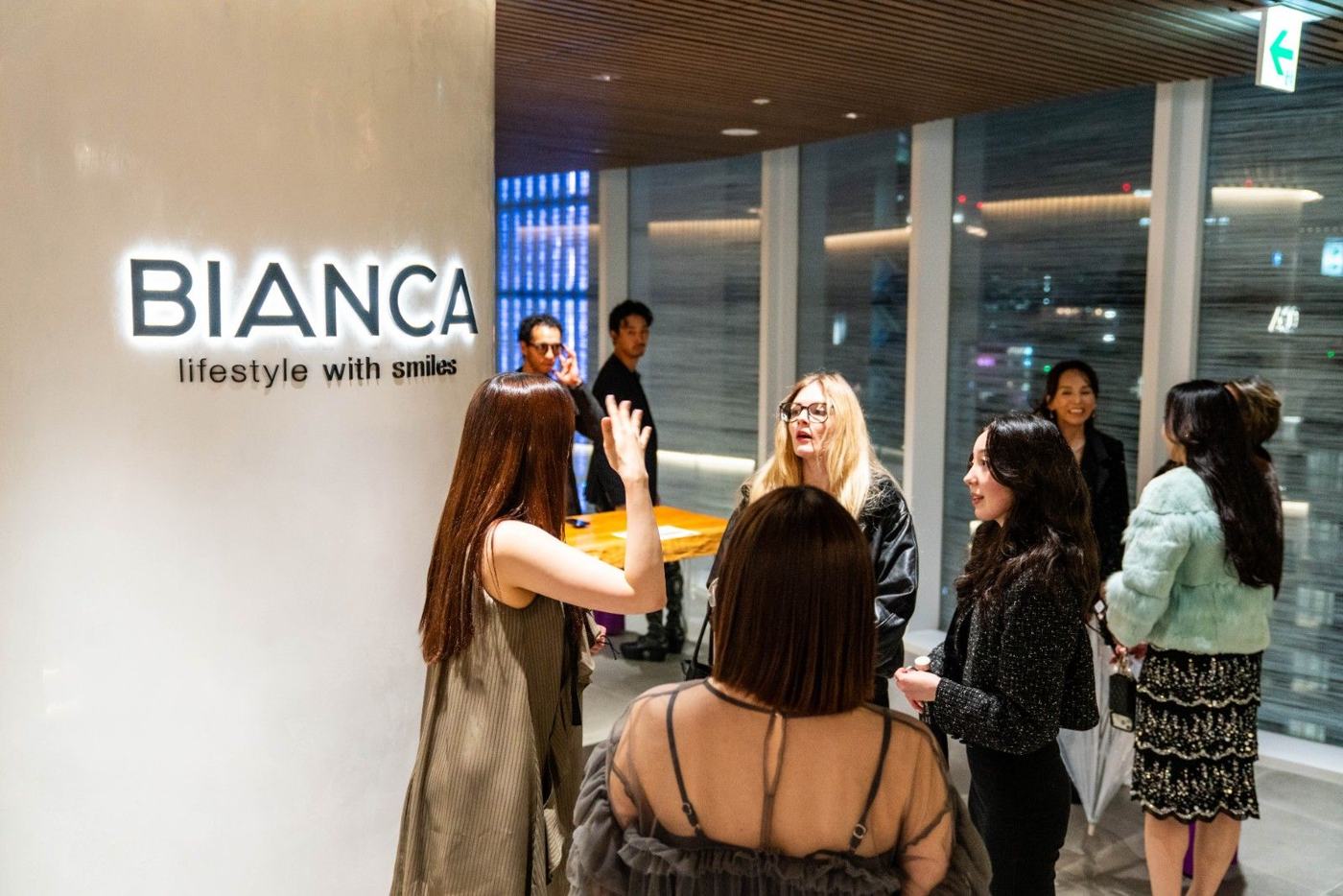
The evening was built on two floors. Consultations and treatments were handled by doctors downstairs, inside the clinic. The rooftop was a place for people to meet: ennichi festival stalls, a DJ, champagne. People who came to talk about aesthetic medicine were laughing first, through Japanese culture. That order was the design of the night.
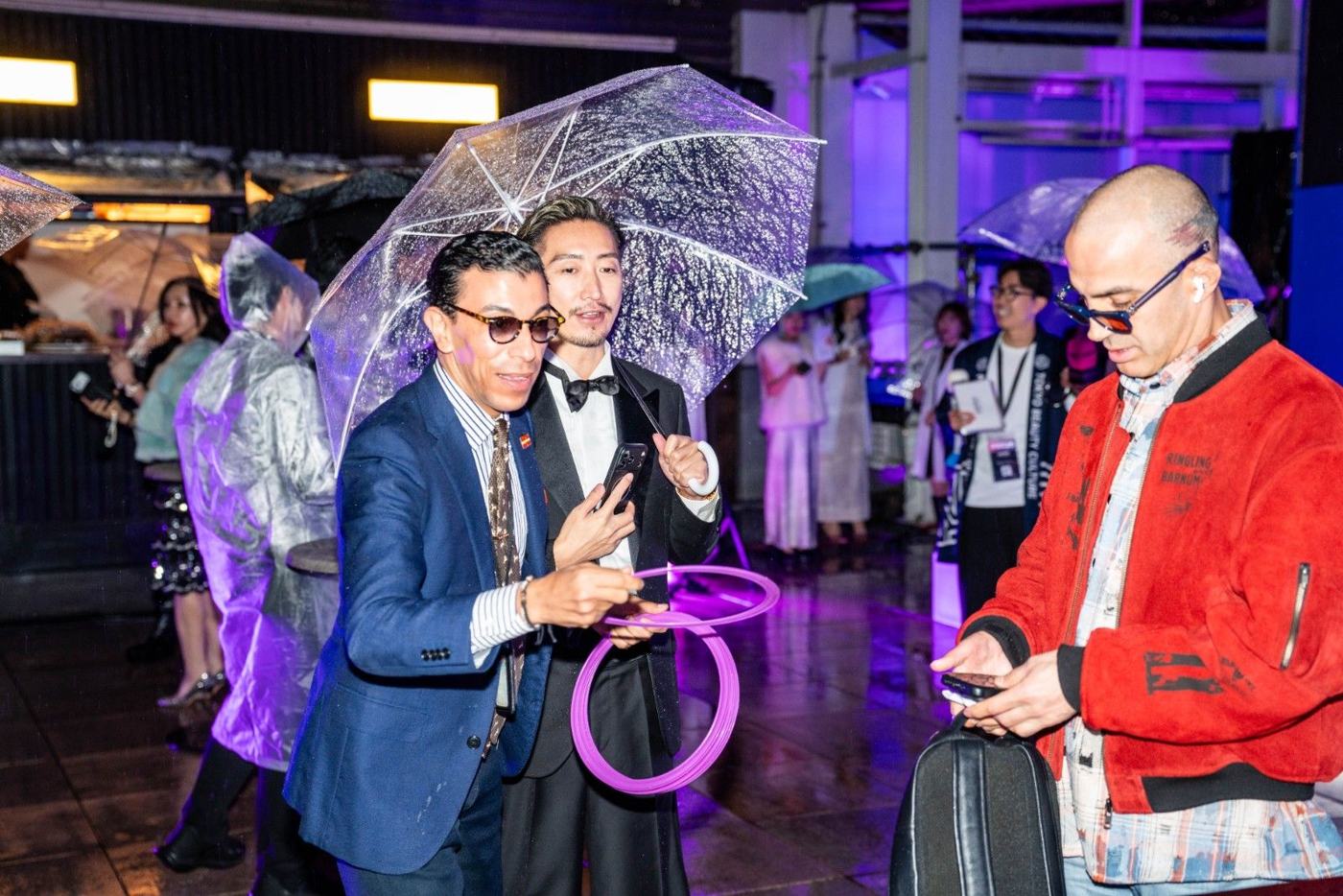

Before the doors opened, we asked Yura of BIANCA’s global team who this night was for. Her answer was not about treatments.
“Thank you for loving Japanese beauty.”
The door was open. So how close was the world on the other side of it to aesthetic medicine?
The Distance
How close the world is to aesthetic medicine
Botulinum toxin is the best-known aesthetic treatment in the world. And yet how close it feels varied enormously by country. In some places it comes up in everyday conversation. In others, people are slowly making room for it alongside religious views. In some, it hasn’t really arrived yet.
“Totally open — in the most open way.”
A trainer from California laughed: “Around Hollywood, everybody does it. Except me.” Around him, it has become normal — men included. In Russia it is a huge trend, and it is starting to spread in Uzbekistan too.
A guest from Morocco explained that some people, from a religious perspective, feel one should not change the face one was born with. Even so, the wish to stay youthful is slowly being accepted. A model from Portugal said, “It hasn’t reached Latin countries yet,” adding that people there might start in their forties at the earliest.
How close is aesthetic medicine?
Based on the guests’ words, we placed each country by how close aesthetic medicine is to everyday life.
An editorial arrangement based on individual guests’ impressions. Not national statistics, and not a generalization about any religion or culture.
Shave it, or build it.As many beauty standards as there are countries
It isn’t only distance. What counts as beautiful also differed. A guest with roots in Japan and Türkiye explained the difference between her two countries like this.
- Shaving down the nasal bone
- Hyaluronic acid in the lips
- Show it, add volume
- Building up the nasal bridge
- Lip filler is rarely seen
- Add, then refine
An Italian entrepreneur put it this way: “In Italy, we like to show off. Japan is simple.” Countries that shave, countries that build, countries that show, countries that refine. Beauty standards are culture itself.

Different distances, different standards, different starting ages. That is exactly why a single kind of bridge between Japan and the world will not be enough. Still, there was one thing everyone wanted, whatever their country: to look natural, and still like themselves. And that was the value the world saw in Japan (Vol.1). So what is holding people back?
The Gap
What holds people back
No one doubted the skill. Even so, more than a few guests had never had an aesthetic treatment in Japan. The person who explained why most frankly was a woman from Sweden.
“So many clinics — but difficult to choose.”
She added, a little hesitantly, that there is a prejudice that Japanese staff may not be used to treating foreign faces. So getting a treatment in Japan can feel like buying a bag without seeing what’s inside.
Another worry came up again and again, regardless of nationality: upselling and extra charges. A guest from Czechia said that in Japan, “the packages keep piling up.” A Japanese guest said she dislikes being pushed by clinics that only want to make money. A guest with roots in Japan and Ghana recalled, with a wry smile, buying a course of sessions after a salesperson recommended it.
Worry.
- Upselling and extra charges
- Unnatural results, losing yourself
- Inexperienced doctors, doctors who don’t care
- Not knowing if they can treat foreign faces
- Fake reviews
Trust.
- A friend’s recommendation
- The doctor’s experience and cases
- A doctor who advises — and says no
- Genuine reviews
- Fair, transparent pricing
Ordered by how often guests mentioned them. Editorial grouping, not statistics.
Visitors from abroad and Japanese residents named the same concerns. Whether the world chooses Japanese aesthetic medicine may depend less on how advanced the skill is than on how honestly it is sold.
“I want a practitioner who says no to me.”
A guest from Czechia agreed: “I’m not the expert, so I want a doctor who says, ‘Let’s not do that — let’s do this instead.’” The Londoner went one step further: “I’d choose the clinic where I feel most comfortable. Beauty isn’t a one-time thing. It’s a long relationship.”

The Answer
The doctors’ words, side by side
After laying out the guests’ voices, we went back to what the doctors had told us before the doors opened. It was as if they had anticipated the questions — their words matched the guests’ concerns.
“Very sophisticated.” “Clean, curated, educated.”

“Quality, precision, and trust.”
What international patients look for in Tokyo is quality, precision and trust. Japan is known for natural results and attention to detail. And in the end, it’s about the experience — that is what brings people all the way to Japan.
“So many clinics — but difficult to choose.”
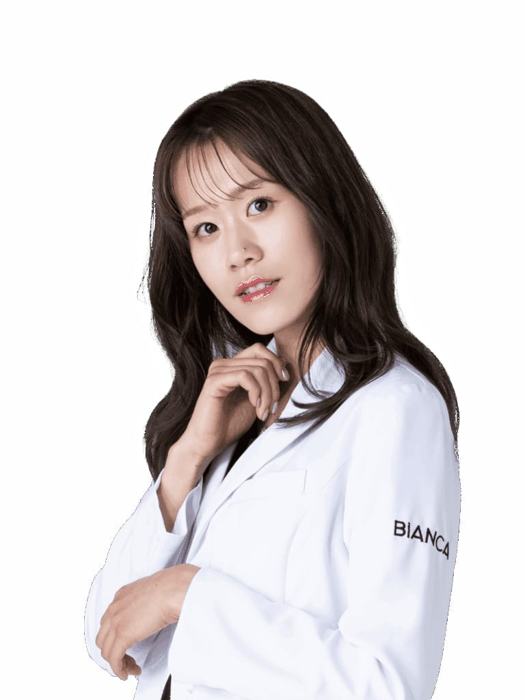
“The key is better communication.”
Japan already has excellent doctors and skills. The key to Tokyo being chosen by the world is better communication, support and experience for international patients.
A long relationship — not a one-time visit.
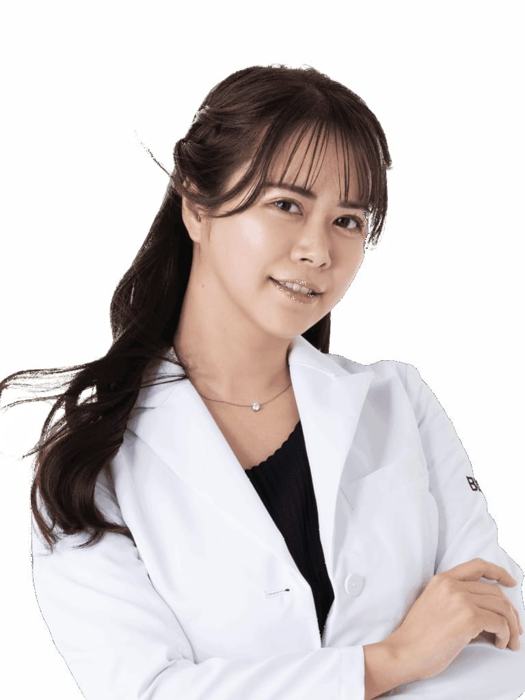
“A bridge between people and cultures.”
The goal is not to grow bigger as a clinic. We hope BIANCA can be a bridge between people, cultures and communities through beauty.
“I feel safe here.”
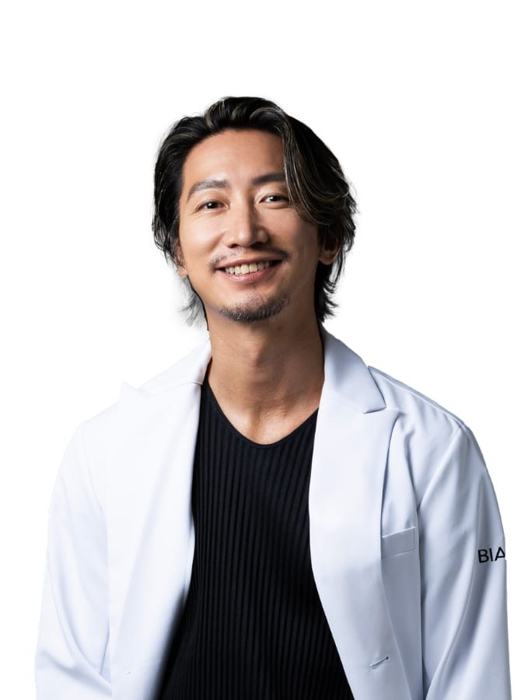
“Botox is the perfect starting point.”
Botulinum toxin is the perfect entry point. The goal: Tokyo as the world’s most trusted destination for aesthetic medicine.TBC: wording
The next chapter — Omotesando.
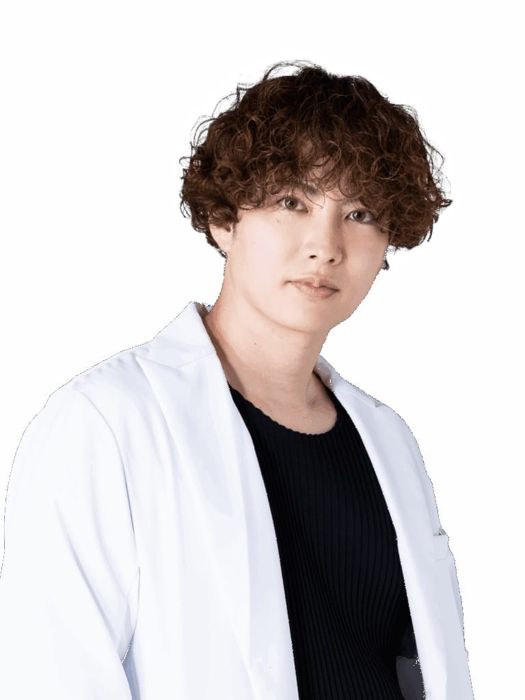
“The next chapter.”
Leads the new Omotesando clinic.TBC: commentTBC: OK to publish
The medical side is aware of the challenge, too. What’s missing is not skill, but the language, the systems and the etiquette of trust that connect Japan to the world.
The Bridge
What we saw between Japan and the world
The host said what was missing was “experience.” The world’s voices proved half of that — and left the other half as homework.
The reputation is already high.
People abroad see Japanese aesthetic medicine as refined, natural, clean and delicate. Skill is not what’s missing.
What’s missing is the context that connects.
Where to go. Whether my face will be understood. Words and information tuned to each country’s distance have not yet reached the world.
The biggest risk is how it is sold.
Worries about upselling and extra charges crossed every nationality. Trust comes from doctors who can say no, and from transparent costs.
Before experience comes the etiquette of trust. That is what the world taught us on that rainy rooftop. And no one can build that bridge alone.
Host.
Creates the space with medical safety and hospitality. The clinic welcomes the world in.
Media.
Records the good voices and the hard ones, in the world’s own words. Delivers understanding, matched to each country’s distance.
You.
Chooses through understanding, not emotion. The next person to choose Tokyo is you.
Before you choose, ask three things.
- Will this doctor tell you “no”?
- Will they show you the full cost up front, extras included?
- Will they suggest a plan that keeps you looking like yourself?
When that homework is answered, Tokyo will truly become a destination for beauty. And that is not one clinic’s challenge — it is the work of all of Japanese aesthetic medicine, rebuilding trust with the world.
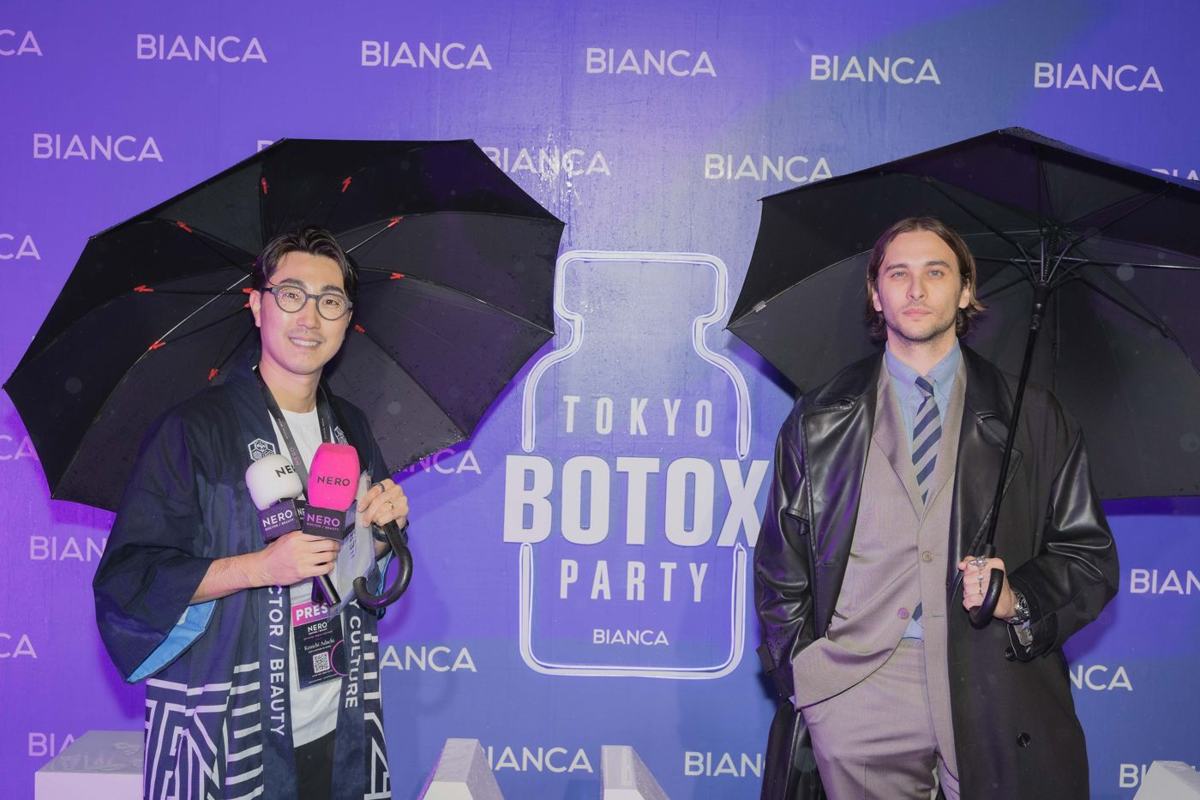
At the end of the rainy night, people from all over the world turned to the camera and spoke as one.

3, 2, 1 —

This is not a report.
Before the interviews, I expected to hear “Japan is affordable” and “the skill is high.” What I actually heard was quieter, and more essential. Wabi-sabi. Looking like yourself. A doctor who can say no.
The host said, “This is not a party.” Our answer is: “This is not a report.” It is not an account of one night, but a record of Japanese aesthetic medicine held up to the mirror of the world.
The world is already beginning to notice the value of Japanese aesthetic medicine. What remains is whether we can describe it in our own words — and whether we can sell it in a way that never betrays that trust. Toward a world where people choose aesthetic medicine through understanding, not emotion. NERO hopes to be one of the bridges.
Japanese aesthetic medicine starts building a bridge to the world — BIANCA CLINIC’s TOKYO BOTOX PARTY
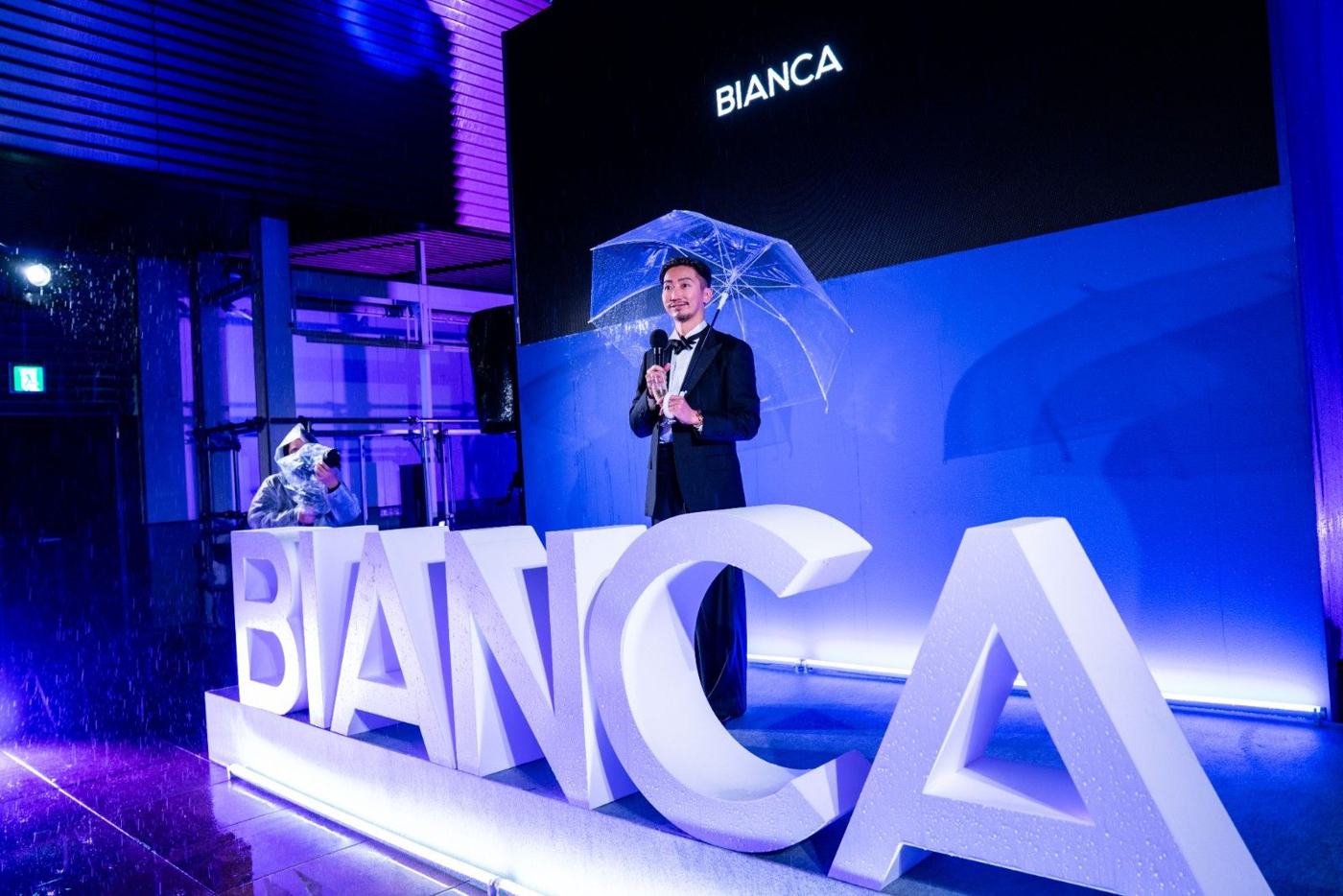
The world called Japanese aesthetic medicine “refined.”

Every portrait, the interview films, the whole night

Disclosure
NERO attended this event as Official Story Partner and reported with the host’s permission. BIANCA CLINIC and NERO have a business relationship; no fee was paid for this article. Guests’ comments are personal impressions and do not indicate treatment results. This article does not recommend any specific medical institution or treatment.
Limits of this story
We interviewed guests invited to an event hosted by BIANCA CLINIC. Their views do not represent their countries. The distance map and orderings are editorial, not statistical. Comments on religion or culture are the guests’ own views.
Sources
- U.S. FDA, FDA Consumer, July–August 2002
- Public Citizen, Letter Urging the Cancellation of “Botox Night,” July 9, 2002
- Healthcare Improvement Scotland, March 13, 2025
- BIANCA CLINIC, PHASE 3 Project Book
- NERO on-site interviews, Nov 4, 2026