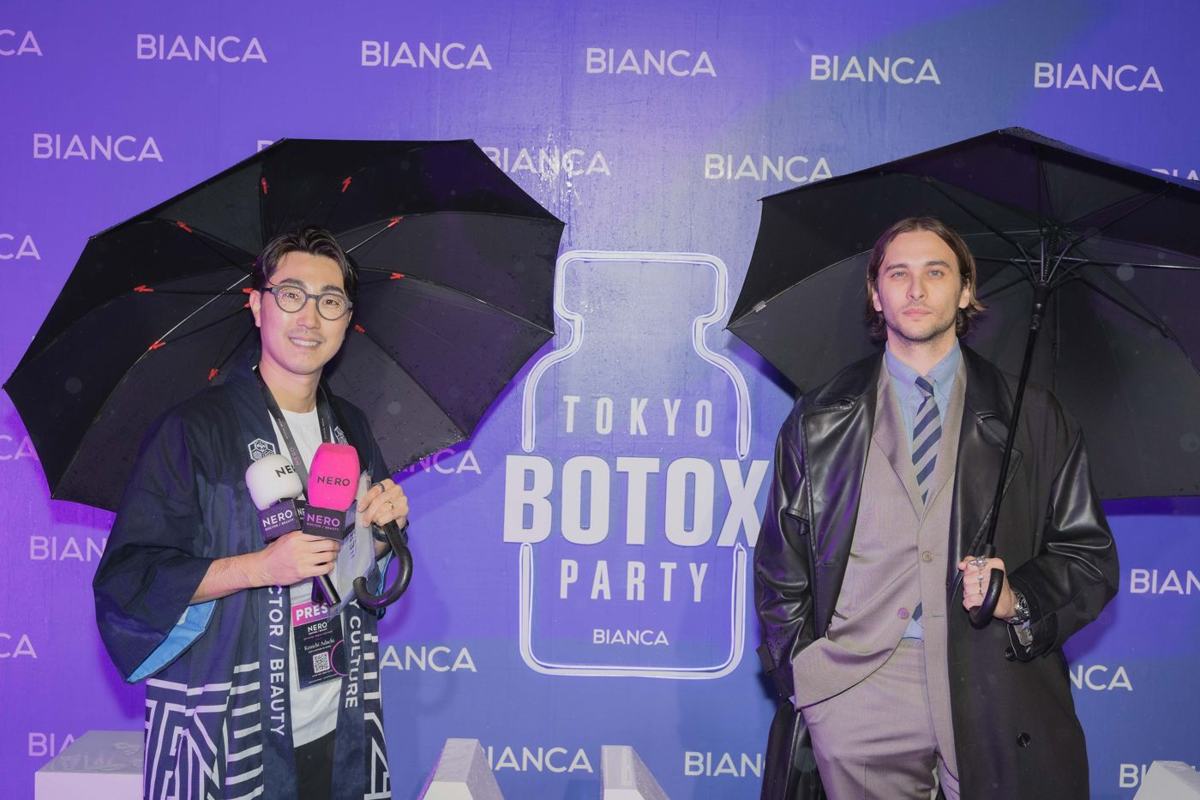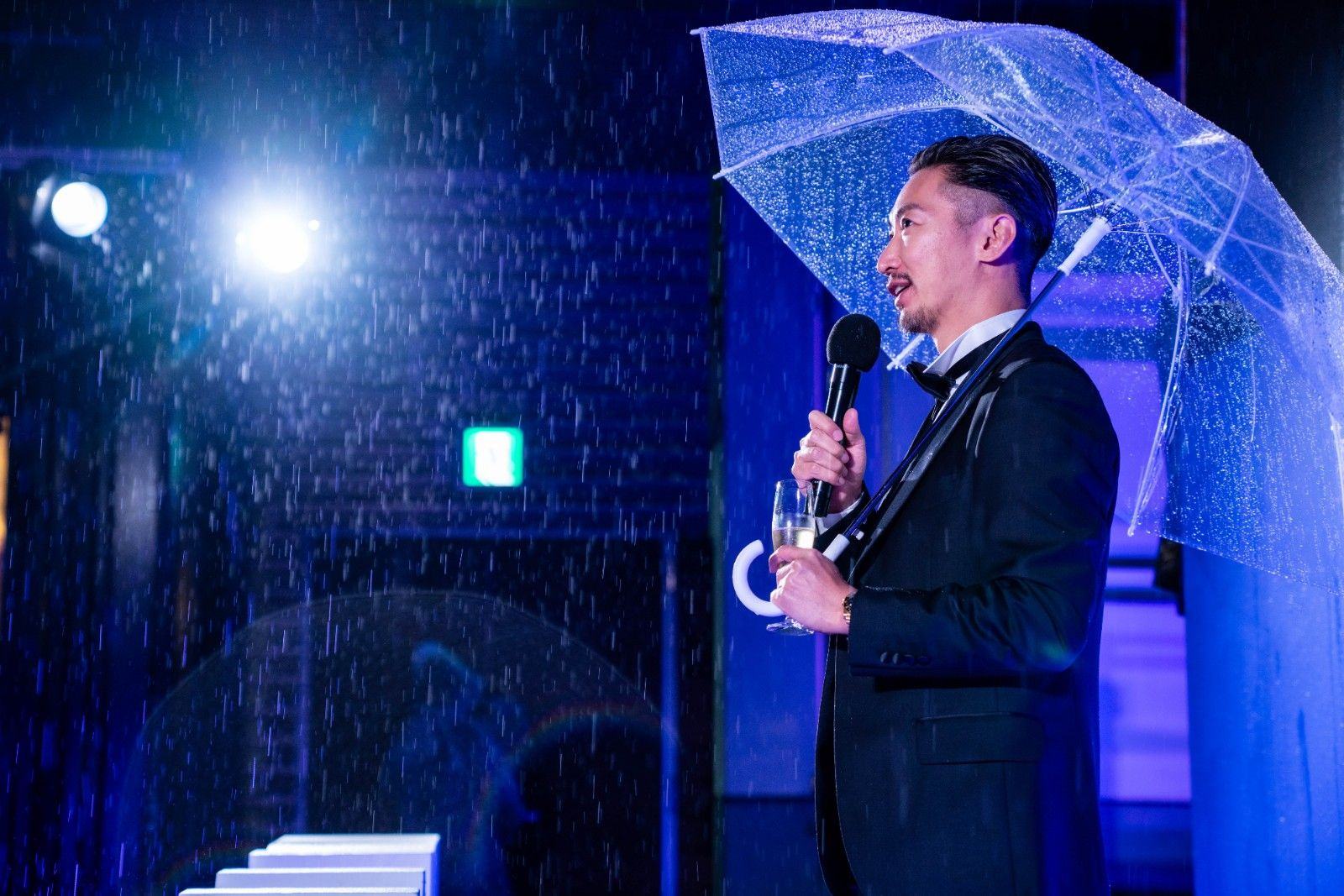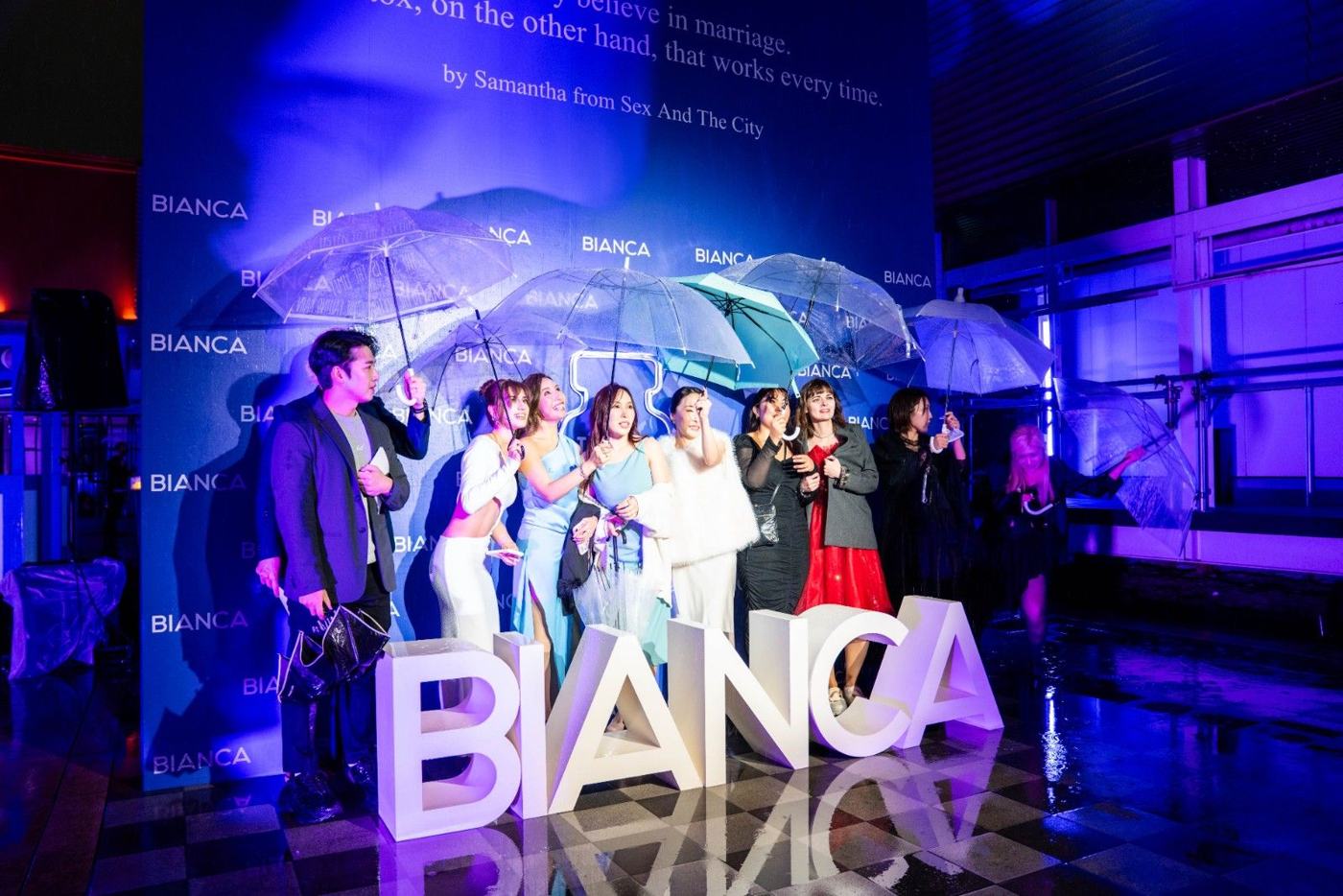
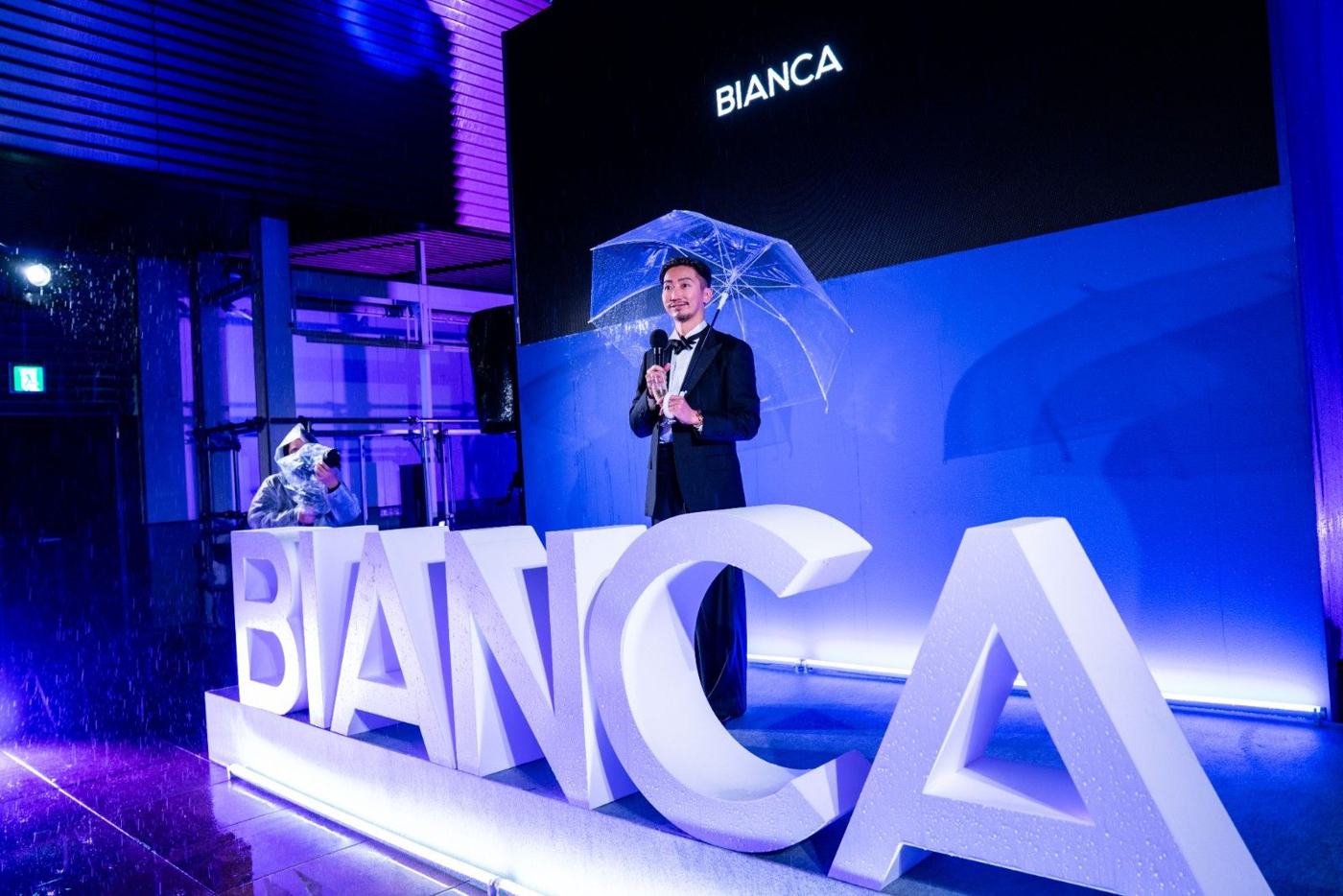
On 4 November 2026, BIANCA CLINIC in Ginza held an invitation-only evening called “TOKYO BOTOX PARTY.” Guests arrived from many different countries, and as rain began to fall, clear umbrellas opened across the rooftop. The concept was printed right next to the name: “THIS IS NOT A PARTY.” Under a name long associated with warnings abroad, the host laid out a vision — to make Tokyo the world’s most trusted destination for aesthetic medicine.
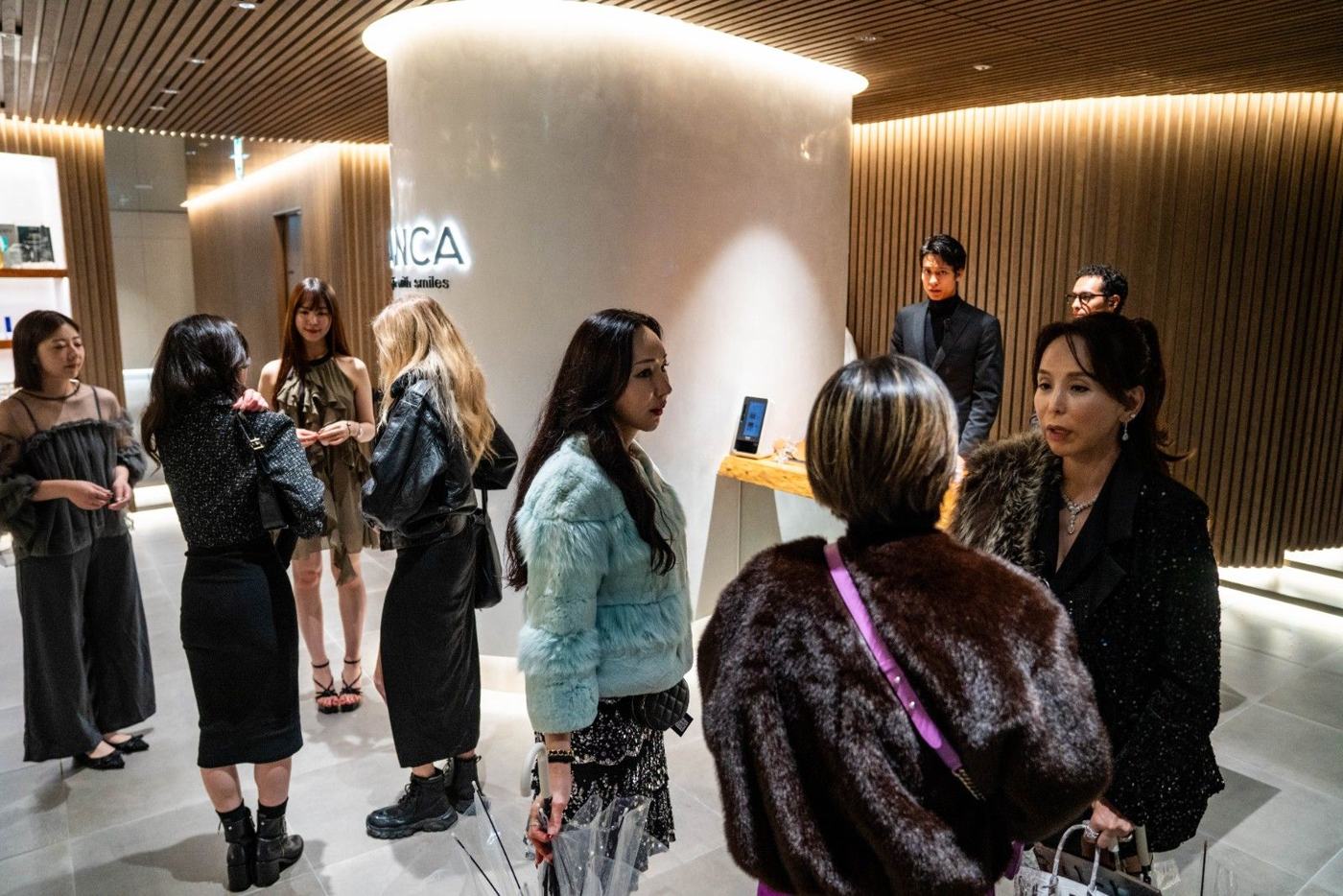
The clinicA clinic in Ginza, looking out at the world
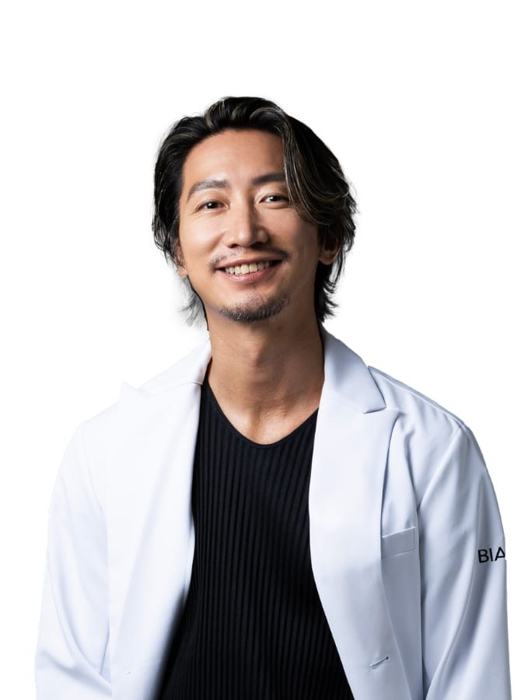
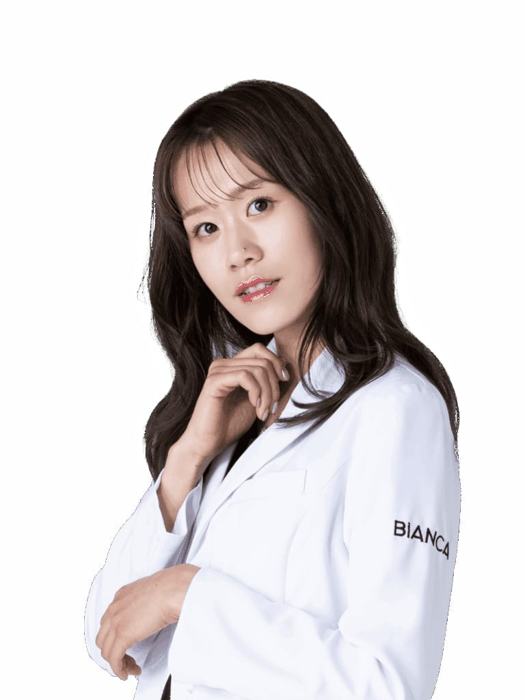
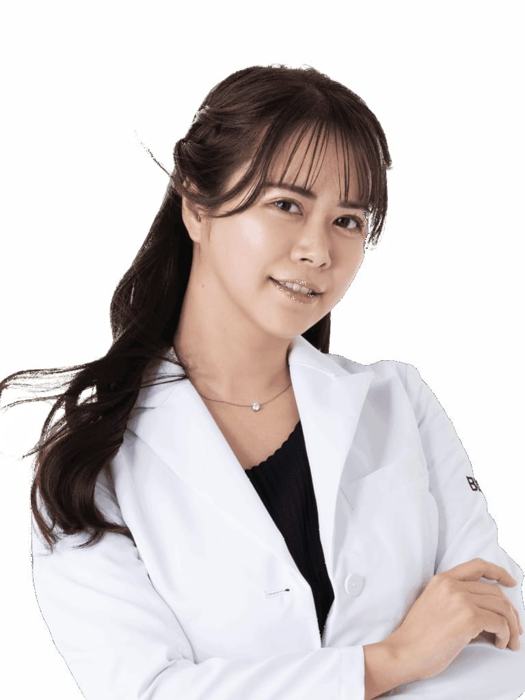
BIANCA CLINIC is an aesthetic clinic led by its chairman, Dr. Kazuaki Hotta. Based in Ginza, it has appointed Dr. Senhime Akashi as Global Director and has put real effort into welcoming patients who travel from overseas.TBC: number of clinics, history
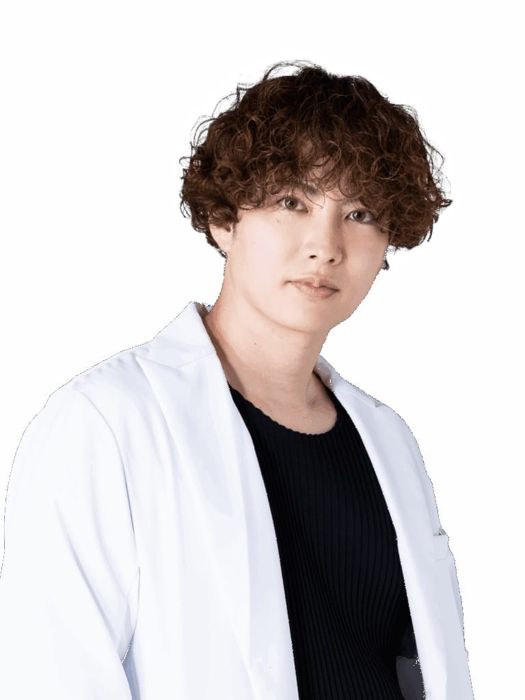
In December, its Omotesando clinic is set to reopen as “Phase 3,” led by Dr. Yukitaro Ikeda as clinic director. This evening was positioned as the prologue to that next chapter.TBC: OK to publish
In the film, BIANCA says it has welcomed more than 150,000 patients from over 100 countries.TBC: figures as stated by BIANCA The clinic in Ginza was already connected to the world.
Why “Botox party”Why claim a name the world has warned against?
Abroad, “Botox party” has an uneasy ring to it. After the U.S. approved botulinum toxin injections for frown lines in 2002, gatherings spread where people received injections at home or in spas, drink in hand. The American Academy of Dermatology cautioned against treatment in social settings from the start, and in 2025 a Scottish healthcare regulator issued the same warning again.
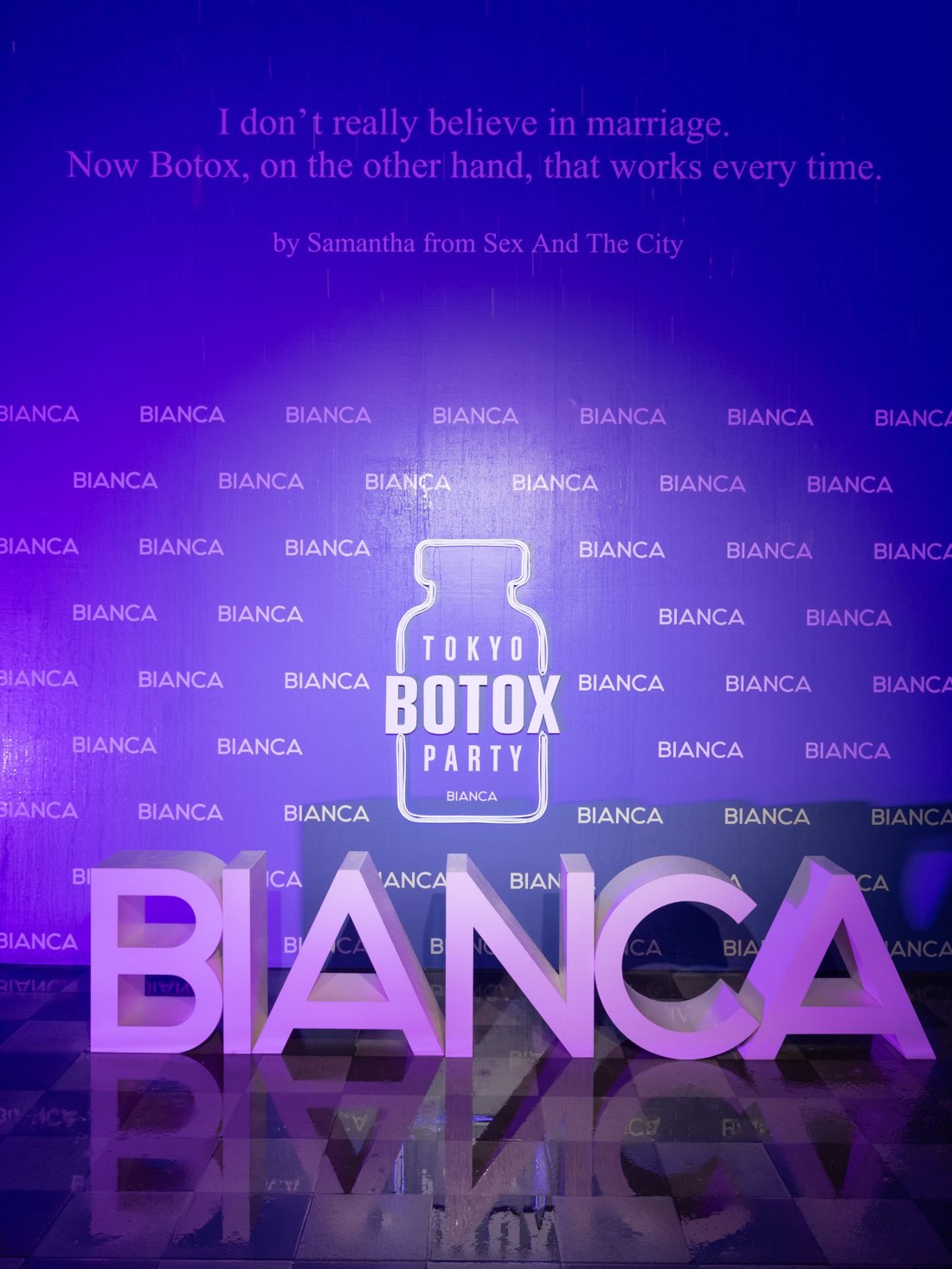
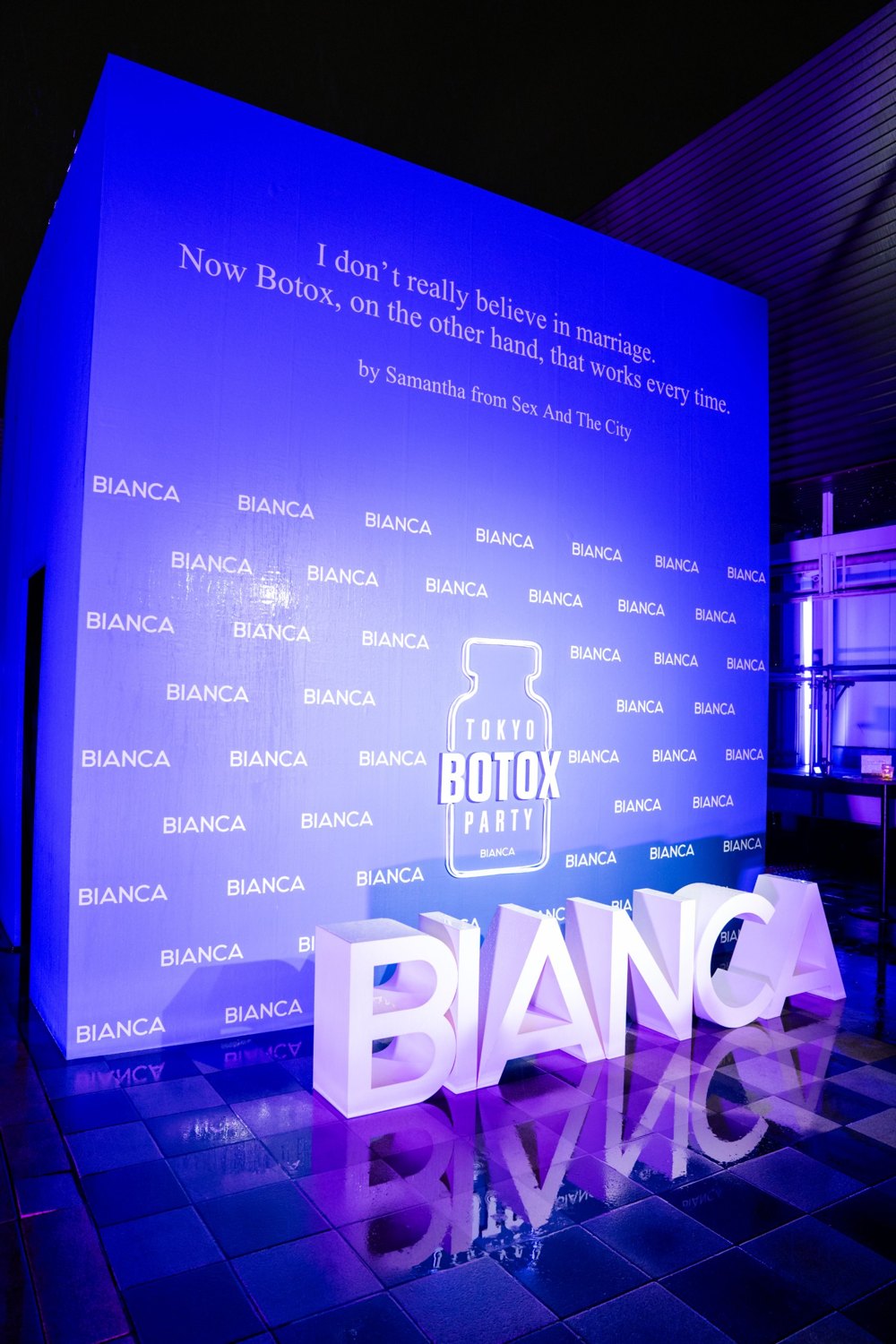
A Japanese medical institution has now taken that name head-on. The reason lies not in the treatment itself, but in what comes before it. The host frames botulinum toxin as “not the destination, but the beginning of a conversation.” Precisely because it is the most widely known aesthetic treatment in the world, it can become an entry point that connects people across nationality and language.
The design — how this differs from what was criticized
- Consultations and treatments were handled by doctors downstairs, inside the clinic — kept completely separate from the social space on the rooftop.
- The rooftop held ennichi festival stalls, a DJ and champagne. Before any talk of beauty, guests met the Tokyo night and Japanese culture first.
- Attendance was by invitation only, welcoming people from many countries with an interest in Japanese aesthetic medicine.
We could find no earlier event in Japan where a medical institution openly carried this name and designed the evening by separating medicine from the social space.
“We are here to change the game.”Kazuaki Hotta, M.D. — Chairman, BIANCA CLINICTBC: wording
Speaking to NERO, Dr. Hotta called botulinum toxin “the perfect starting point.”TBC: wording Tokyo has the skill. It has refined design, safety and hospitality. What is missing, in the host’s view, is an “experience” that carries all of this to the world.
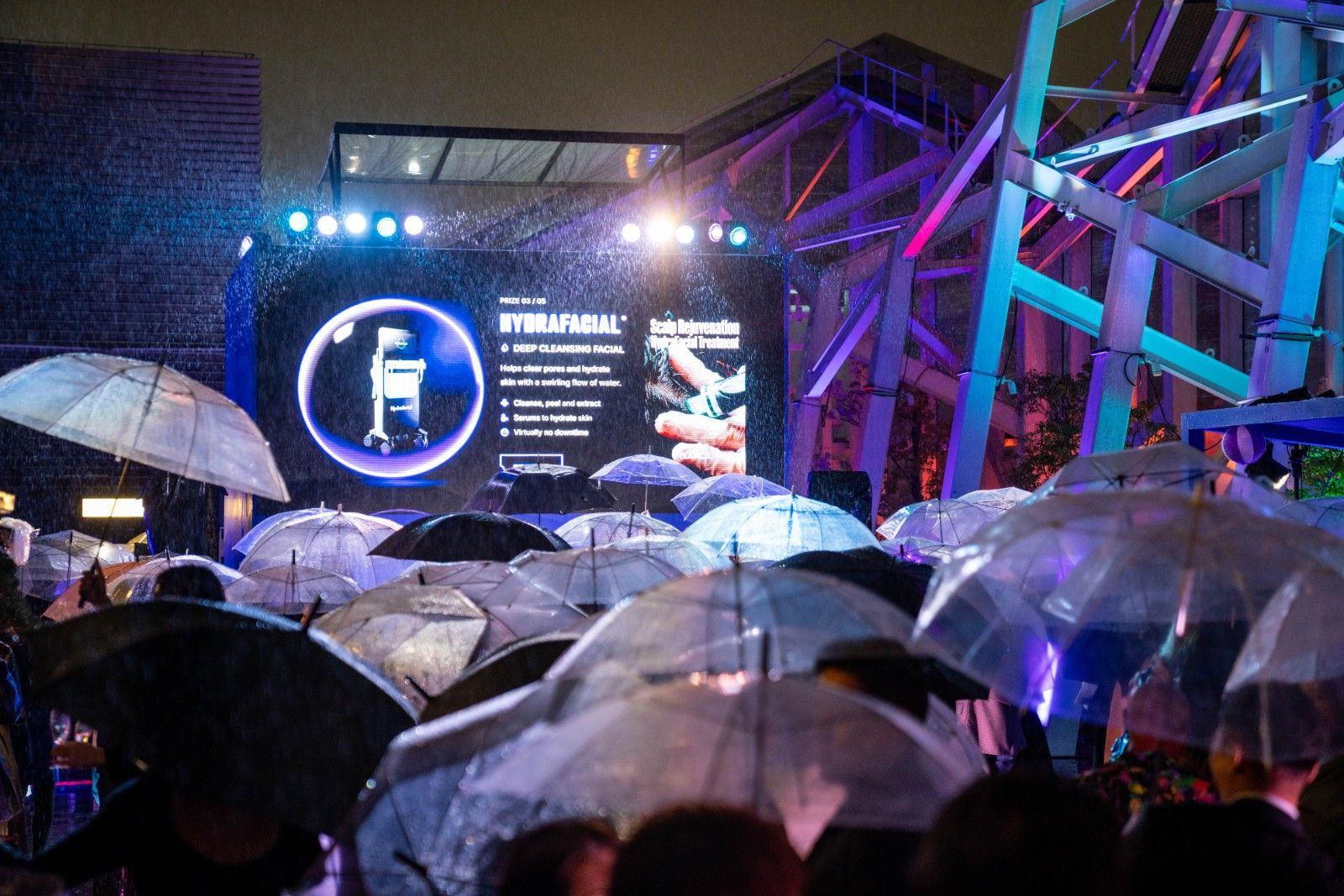
The guestsInvited from around the world
The guests had roots in the United States, the United Kingdom, Italy, Portugal, Sweden, Czechia, Russia, Uzbekistan, Türkiye, Morocco, Ghana, Canada, Brazil, Japan and beyond. Rain began just before the start, yet no one left. The clear umbrellas handed out at the door became the picture of the night.
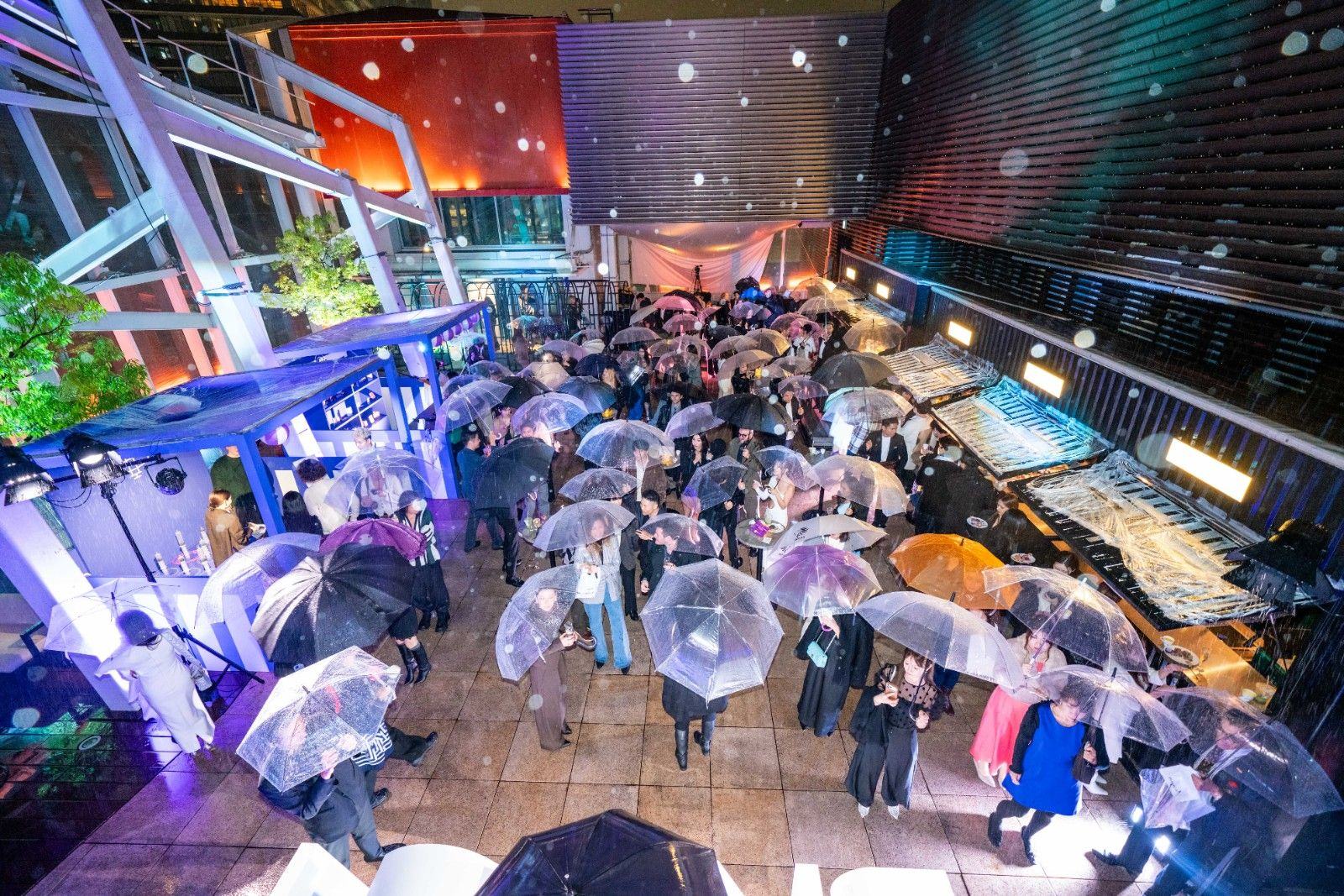
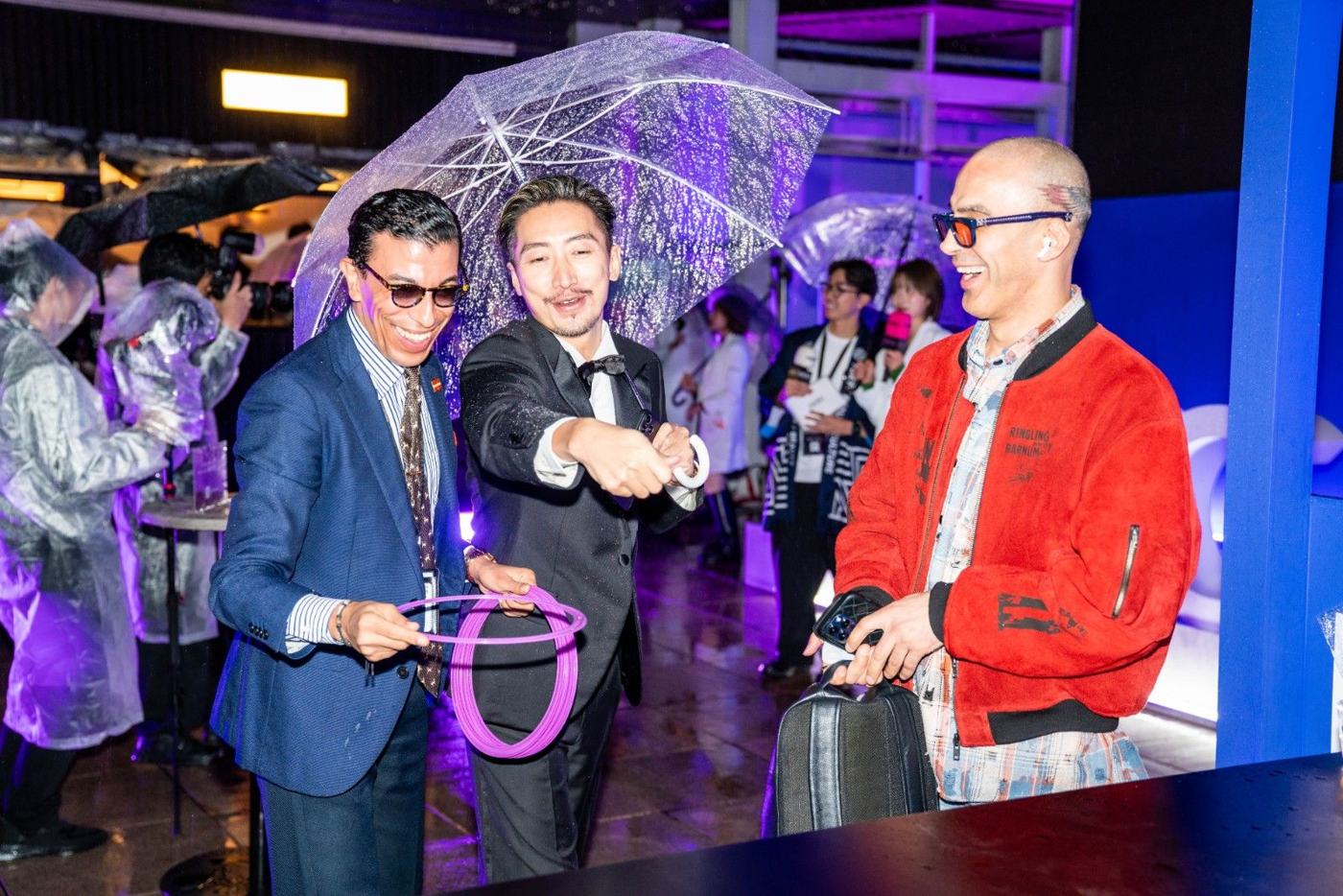
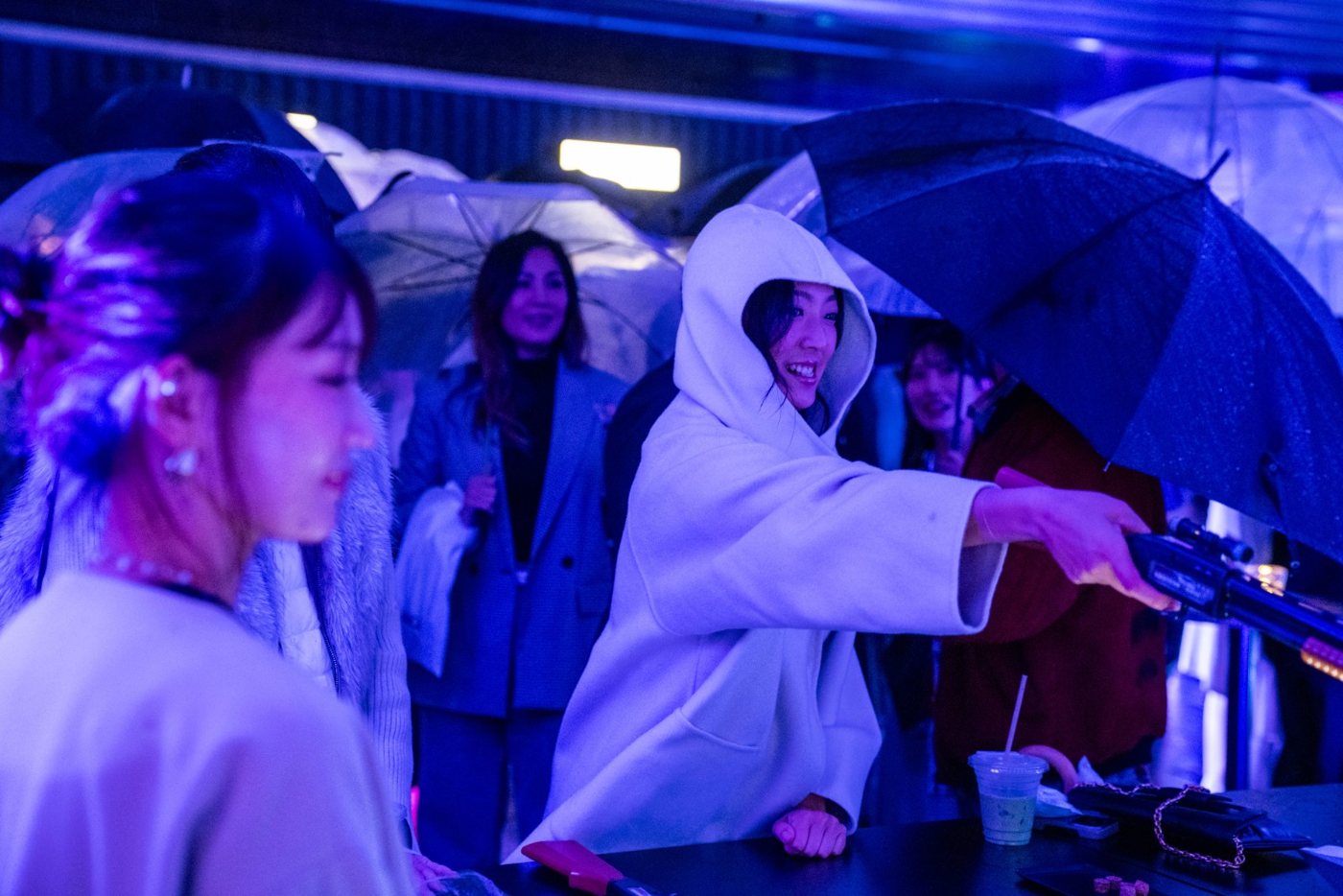
The rooftop was lined with ennichi stalls reminiscent of a Japanese summer festival — target shooting, ring toss, a shelf of prizes, a DJ booth and champagne. People who came to talk about aesthetic medicine were laughing first, through Japanese culture. That order was the design of the night.
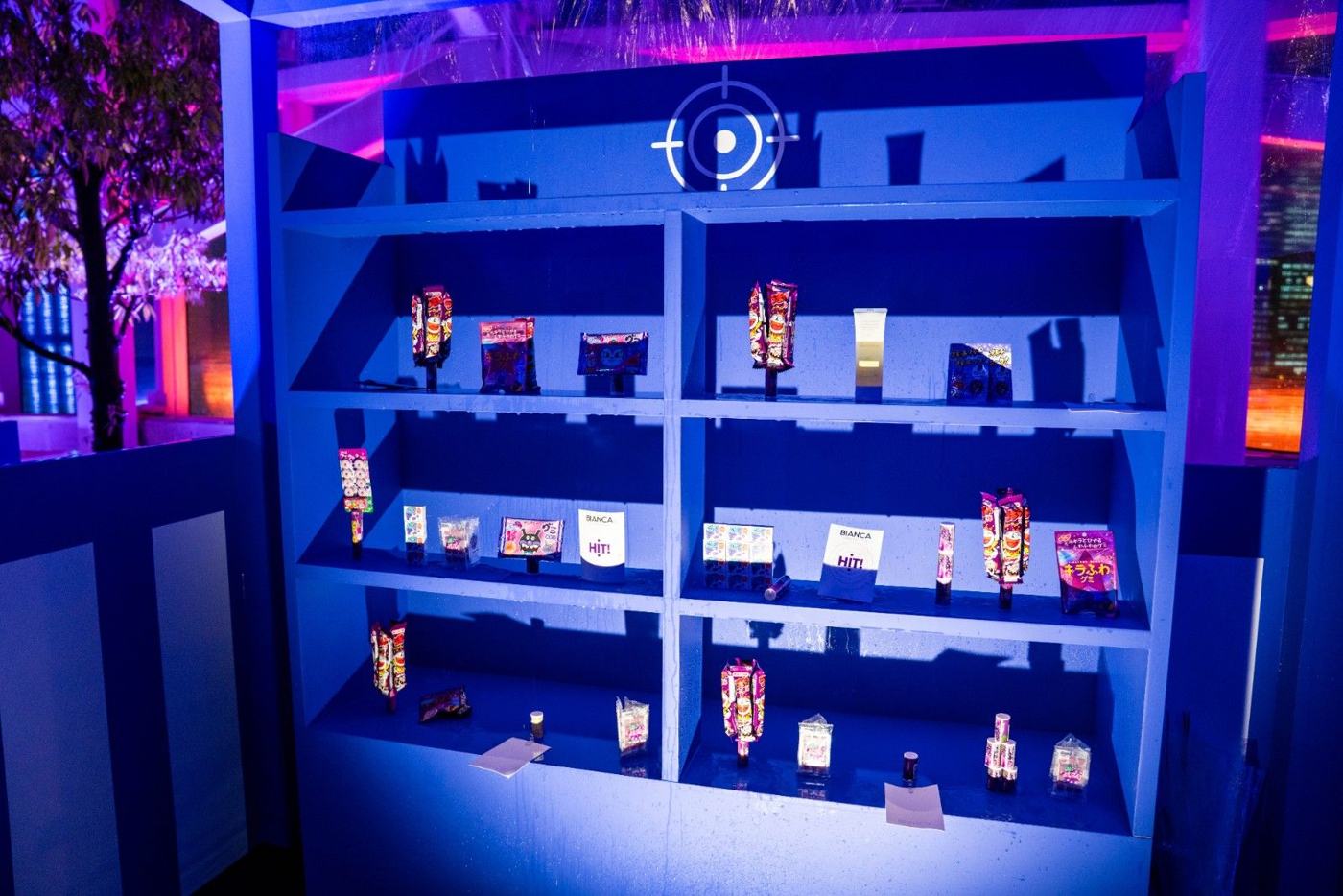
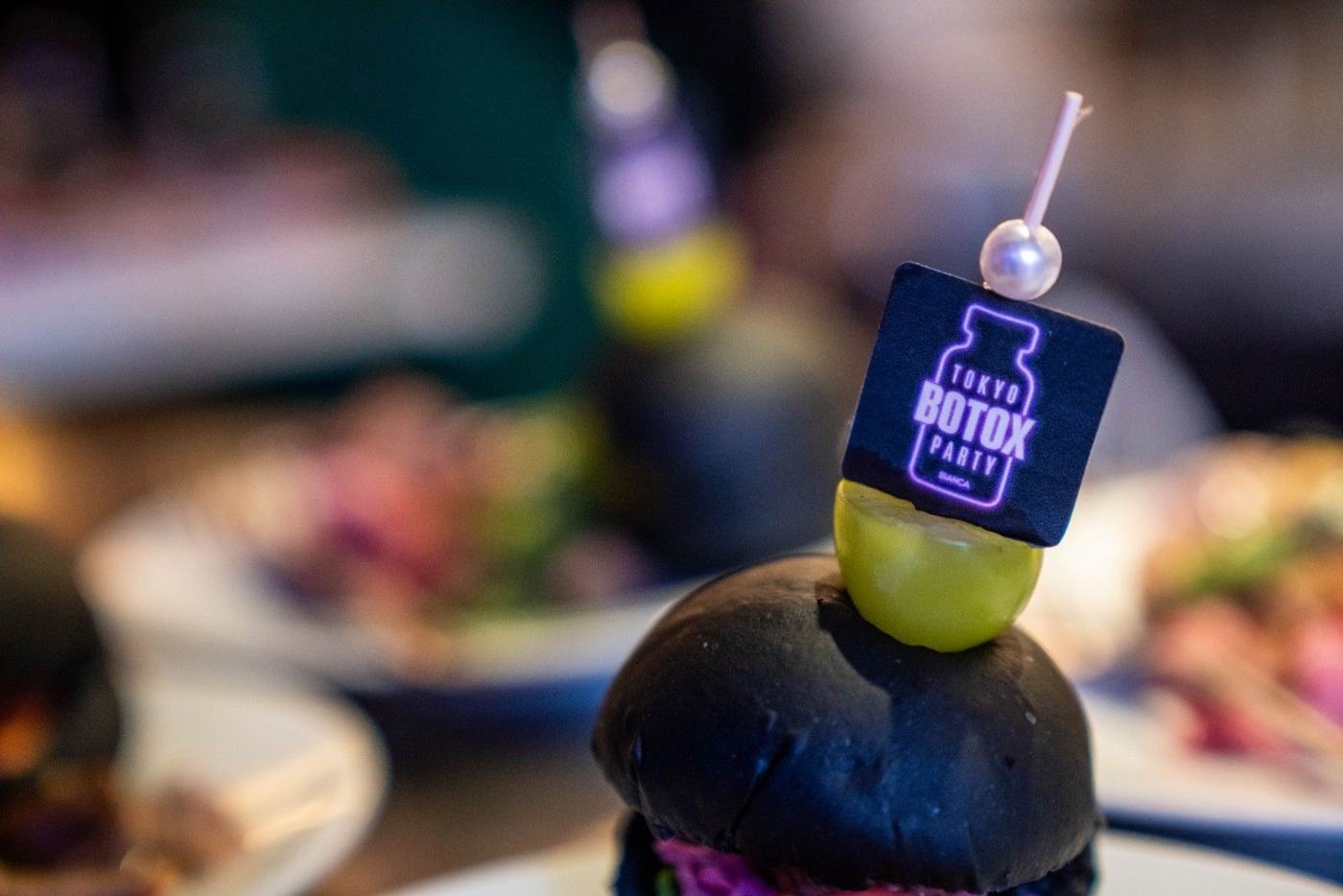
The contextCan Tokyo become the destination for aesthetic medicine?
Until now, Japanese aesthetic medicine has spoken to the world mostly through prices and before-and-after photos. This evening took a different form: a medical institution building its own space for cultural experience and connection, and showing “where, who and how” as it is. It is an attempt to move the message from price to experience and community.
“This is bigger than BIANCA.”BIANCA CLINIC — PHASE 3 Project Book
What the host set out was not to win patients for one clinic, but to begin a new culture of aesthetic medicine with Tokyo as its starting point. Carrying its skill, its finesse and its hospitality, Japanese aesthetic medicine is beginning to build a bridge to the world.
So how did the world receive that promise? On the rainy rooftop, NERO turned its microphone to the guests. Their answers are in our feature.